
Download the app for iOS


Download the app for Android

SENSE PAINTINGS
online art catalog
Connect with the high art and become the owner of the exclusive works of famous artists.
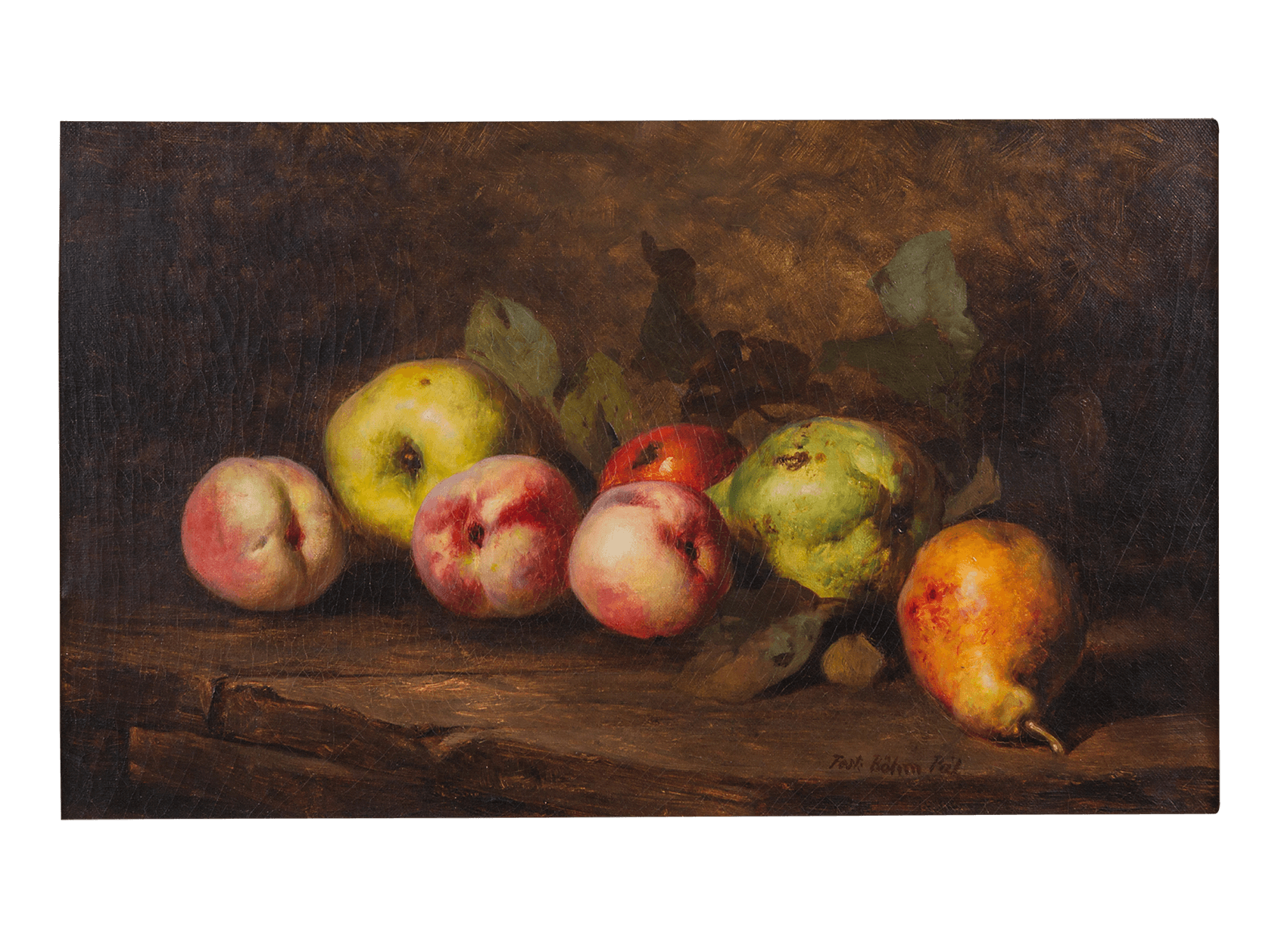
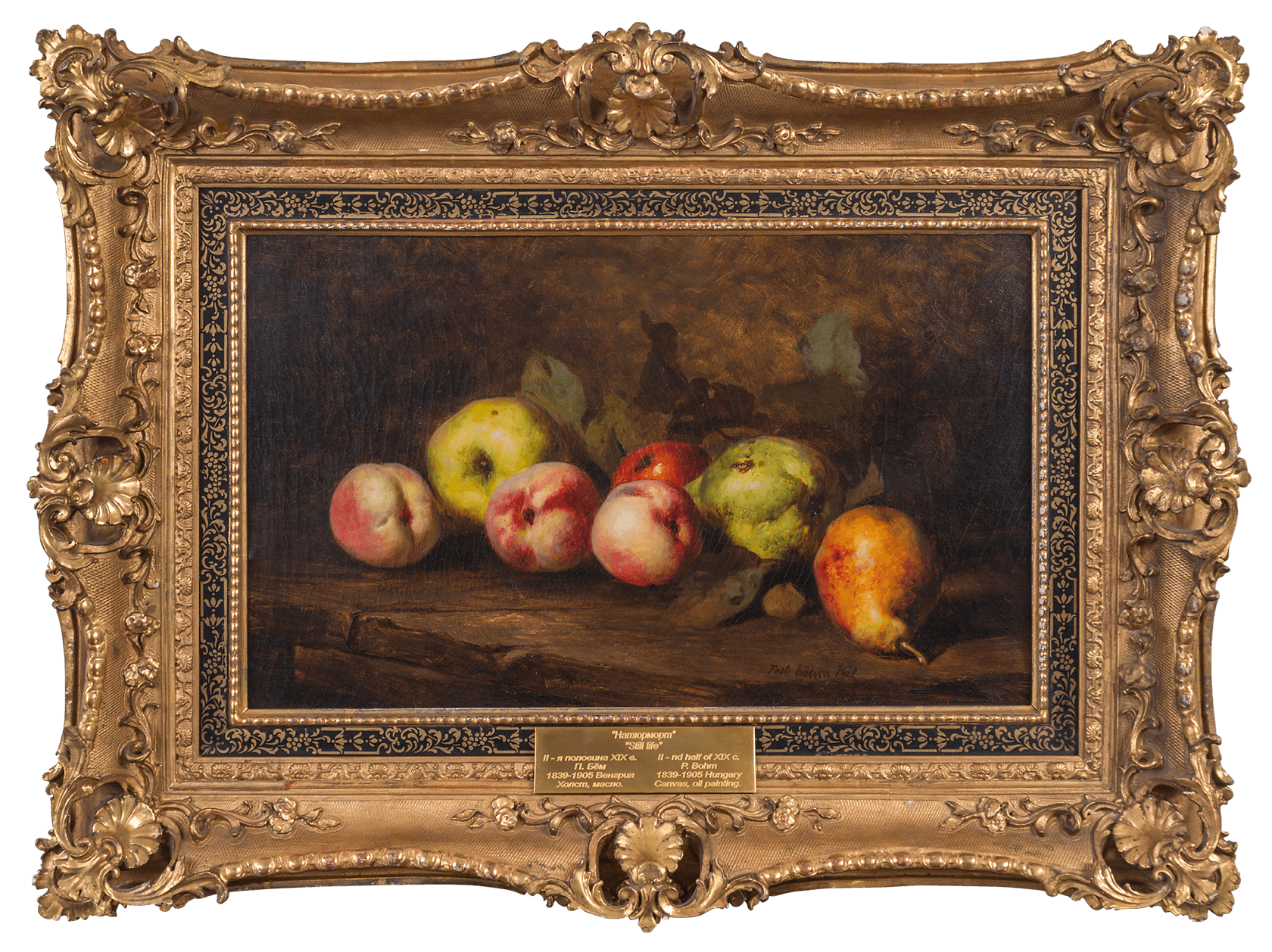
Still lifes
More choice
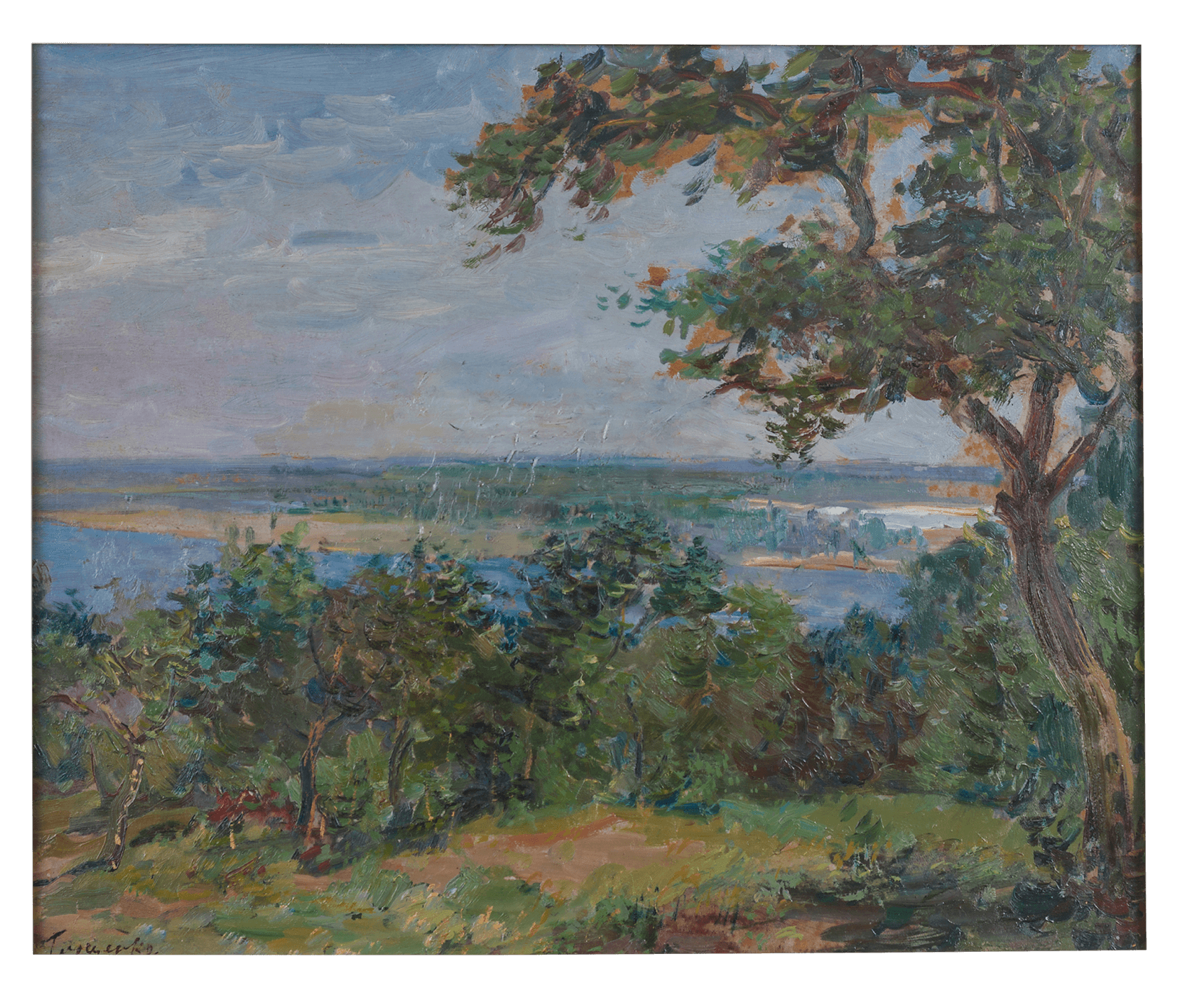
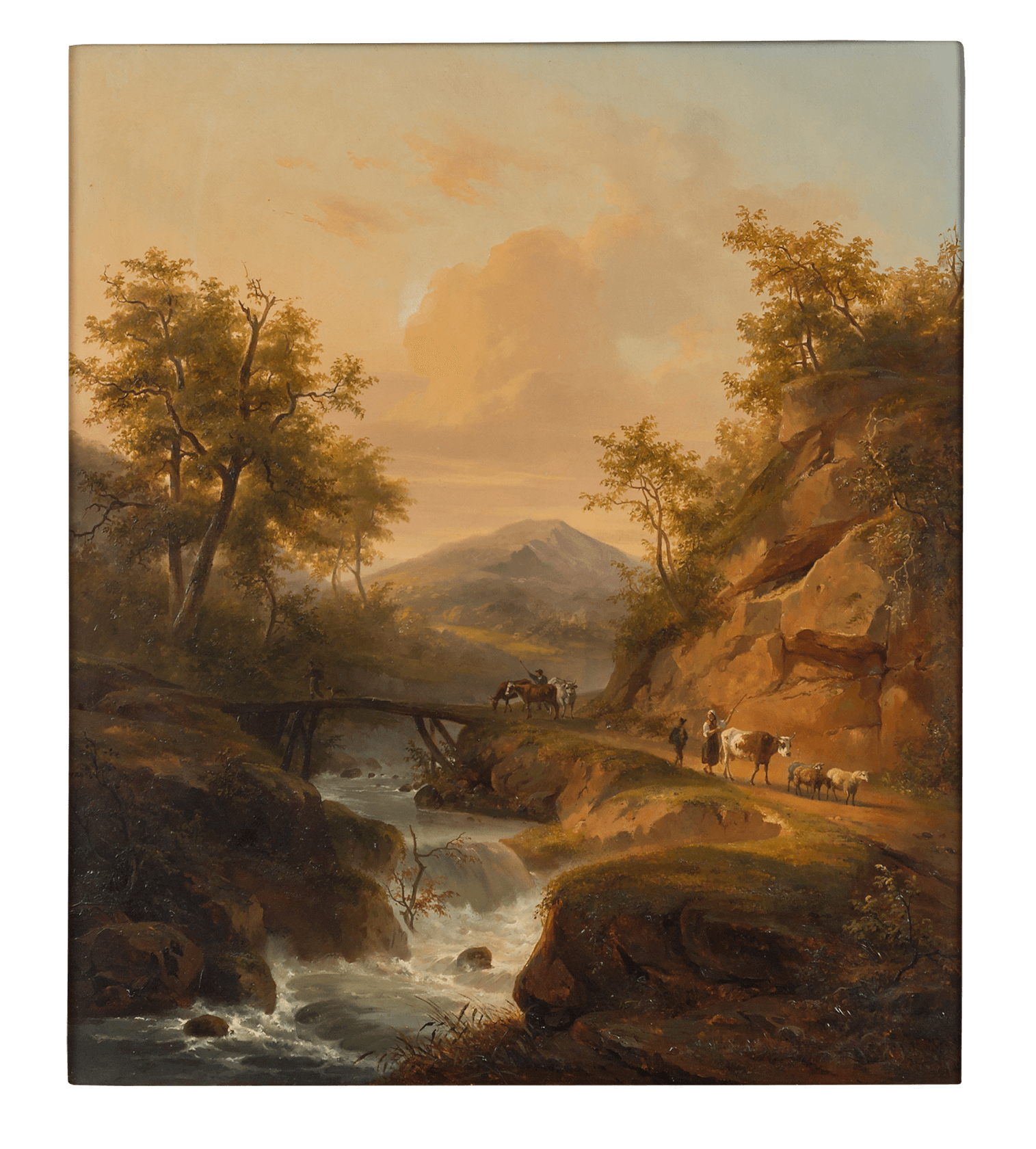
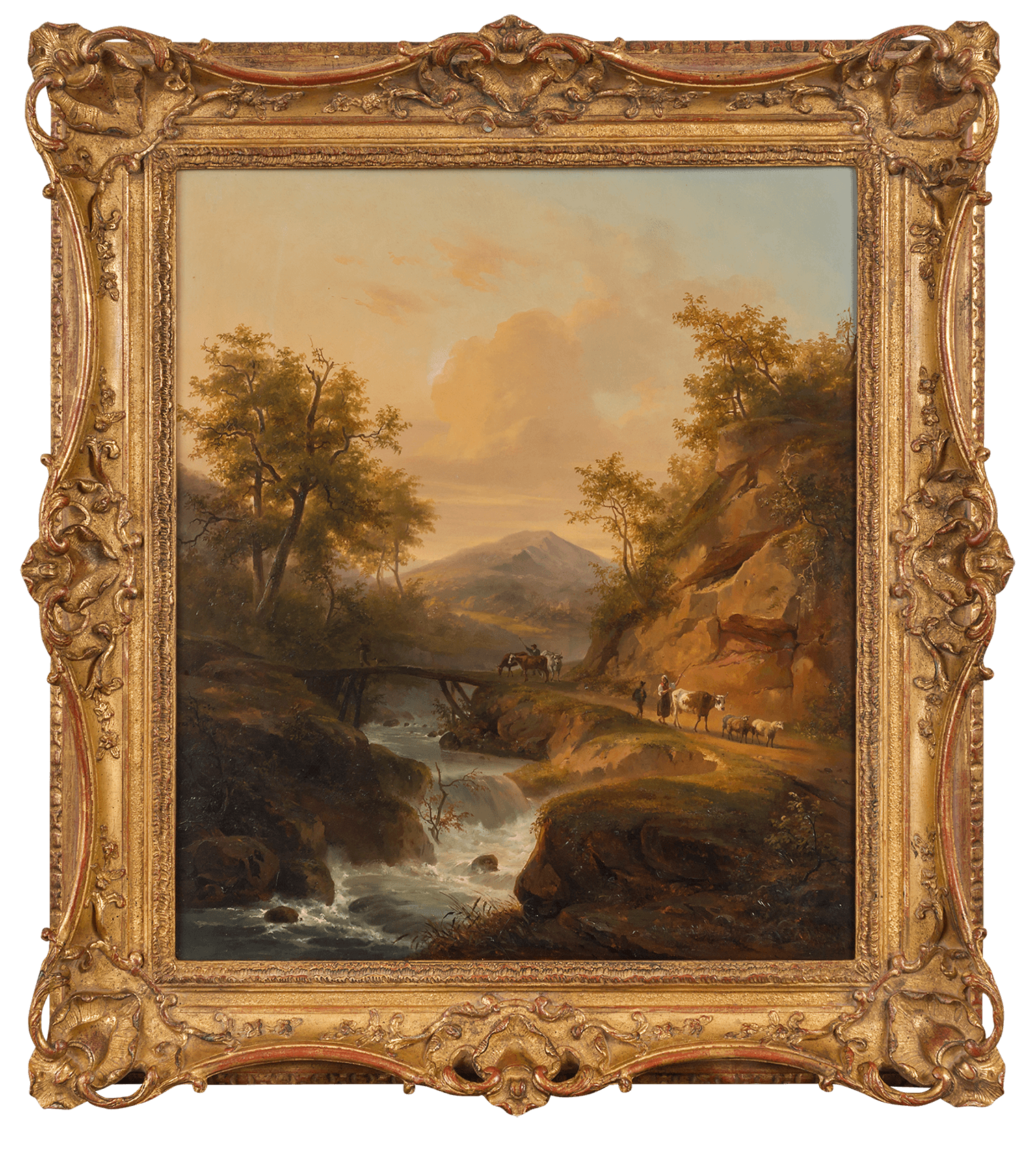
Landscapes
More choice




Mythology






ABOUT ARTISTS
Brief information about the artists whose paintings are presented on this site
Become an owner of the exclusive paintings
Below you can find brief information about the artists.
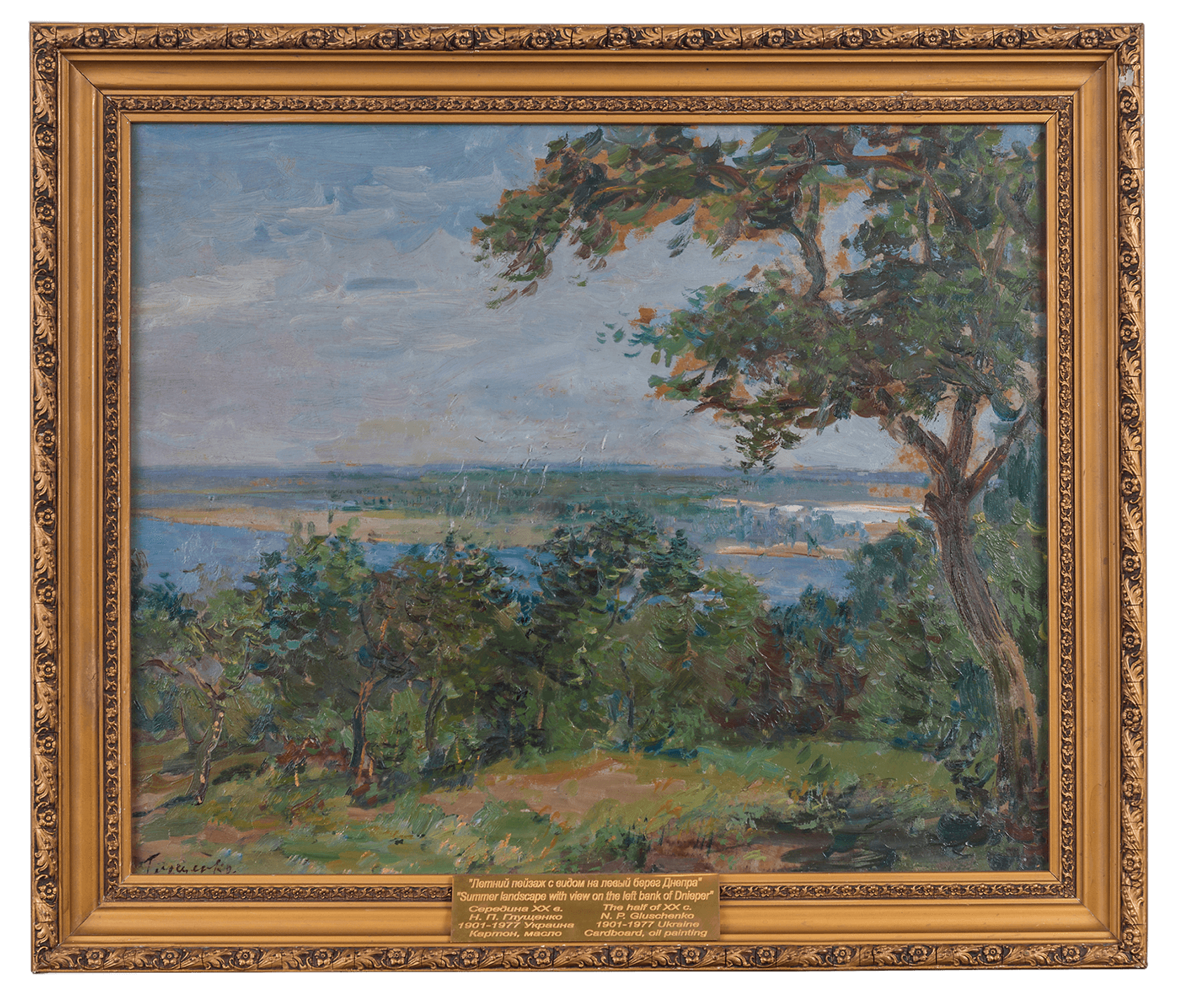
Mykola Petrovich Glushchenko
(September 17, 1901 - October 31, 1977)
Ukrainian artist of the XX century
(September 17, 1901 - October 31, 1977)
Ukrainian artist of the XX century
Mykola Petrovich Glushchenko was born on September 4 (17), 1901 in Novomoskovsk (now in the Dnipropetrovsk region).
In 1918, he graduated from a commercial school in Yuzivka (now Donetsk). Soon after mobilization, Glushchenko was enrolled in the Volunteer Army of A.I. Denikin. After a while while with the remnants of the White Guard units, he found himself in the territory of Poland. There he was sent to the Schelkovskiy camp for internees, and from there he escaped to Germany. He studied at the studio school of Hans Balushek in Berlin.
In 1920-1924 he studied at the Berlin Higher School of Fine Arts. Staying among the innovators of their time (the association ""Mist"" and ""Blue Rider") contributed to the courage of their own creative searches.
In 1923, with the help of Oleksandr Dovzhenko, he received the citizenship of the USSR, was appointed to the position of chief artist of trade and industrial exhibitions of the USSR abroad. Among the works in this position is the decoration of the Soviet pavilion at the exhibition in Lyon (France).
In 1925, the artist moved from Berlin to Paris, opened an art studio at 23 Volonteriv Street, which was visited by representatives of the Ukrainian and Russian emigration. He communicated with Elsa Triolet, Louis Aragon, Fernand Leger, Pablo Picasso, Henri Matisse. Volodymyr Vynnychenko studied the art of painting with Hlushchenko. The modernist art of Europe formed the unique manner of Mykola Hlushchenko - with an unbridled color and a dynamic stroke. In painting, Mykola Petrovych was influenced by Claude Monet, Edgar Degas, Henri Matisse, and Vincent Van Gogh.
In 1934, the artist made a creative trip to Spain to the Balearic Islands and Majorca. Positively perceived by the public, Glushchenko became a prominent figure in the art world even during his student days. During his lifetime, he had 59 personal exhibitions and about 110 group exhibitions in many countries of the world (from the USA to Japan).
In 1944, the artist moved to Kyiv, lived with his son and wife at 14 Volodymyrska Street. His workshop was located in the attic of the highest building on Khreshchatyk with a star, which faces Bohdan Khmelnytskyi Street. After returning to his homeland, the master continued his dynamic development. He often went on creative business trips abroad and throughout the Soviet Union.
In the 1970s, the artist was fascinated by the monotype technique and created a number of floral still lifes in it. The master's paintings are in many Ukrainian and foreign museums and private collections.
Since 1946, Mykola Glushchenko became an honored artist of the Ukrainian SSR, since 1972 - laureate of the Shevchenko Prize, since 1976 - People's Artist of the USSR.
The master died on October 31, 1977 in Kyiv.
In 1918, he graduated from a commercial school in Yuzivka (now Donetsk). Soon after mobilization, Glushchenko was enrolled in the Volunteer Army of A.I. Denikin. After a while while with the remnants of the White Guard units, he found himself in the territory of Poland. There he was sent to the Schelkovskiy camp for internees, and from there he escaped to Germany. He studied at the studio school of Hans Balushek in Berlin.
In 1920-1924 he studied at the Berlin Higher School of Fine Arts. Staying among the innovators of their time (the association ""Mist"" and ""Blue Rider") contributed to the courage of their own creative searches.
In 1923, with the help of Oleksandr Dovzhenko, he received the citizenship of the USSR, was appointed to the position of chief artist of trade and industrial exhibitions of the USSR abroad. Among the works in this position is the decoration of the Soviet pavilion at the exhibition in Lyon (France).
In 1925, the artist moved from Berlin to Paris, opened an art studio at 23 Volonteriv Street, which was visited by representatives of the Ukrainian and Russian emigration. He communicated with Elsa Triolet, Louis Aragon, Fernand Leger, Pablo Picasso, Henri Matisse. Volodymyr Vynnychenko studied the art of painting with Hlushchenko. The modernist art of Europe formed the unique manner of Mykola Hlushchenko - with an unbridled color and a dynamic stroke. In painting, Mykola Petrovych was influenced by Claude Monet, Edgar Degas, Henri Matisse, and Vincent Van Gogh.
In 1934, the artist made a creative trip to Spain to the Balearic Islands and Majorca. Positively perceived by the public, Glushchenko became a prominent figure in the art world even during his student days. During his lifetime, he had 59 personal exhibitions and about 110 group exhibitions in many countries of the world (from the USA to Japan).
In 1944, the artist moved to Kyiv, lived with his son and wife at 14 Volodymyrska Street. His workshop was located in the attic of the highest building on Khreshchatyk with a star, which faces Bohdan Khmelnytskyi Street. After returning to his homeland, the master continued his dynamic development. He often went on creative business trips abroad and throughout the Soviet Union.
In the 1970s, the artist was fascinated by the monotype technique and created a number of floral still lifes in it. The master's paintings are in many Ukrainian and foreign museums and private collections.
Since 1946, Mykola Glushchenko became an honored artist of the Ukrainian SSR, since 1972 - laureate of the Shevchenko Prize, since 1976 - People's Artist of the USSR.
The master died on October 31, 1977 in Kyiv.
Pál (Paul) Böhm
(December 28, 1839 - March 29, 1905)
Hungarian artist of the XIX century
(December 28, 1839 - March 29, 1905)
Hungarian artist of the XIX century
He first studied drawing with his father, who was a maintenance engineer at the bishop's manor. After finishing elementary school, he tried his hand at many crafts, including carpentry, coppersmithing and toy making. In 1859, he joined a group of scenery painters and learned that craft from Antal Haan.
In 1862, he finally decided to become a painter, eventually travelling to Vienna, where he copied the works on display in the Belvedere Palace. In 1865, he returned to his hometown and attempted to make a living by painting portraits and altarpieces. He also briefly operated a painting school that was attended by László Paál.
Two years later, he was sufficiently established to earn a decent living and moved to Budapest, where he exhibited with the National Society of Hungarian Fine Arts. In 1871, he received a scholarship from Tivadar Pauler, the Minister of Religion and Education. This enabled him to travel to Munich, where he quickly became part of the city's artistic life and associated with a group of Hungarian painters led by Géza Mészöly. On several occasions, he stayed in the Tisza region, where he painted and sketched, but settled in Munich permanently in 1875. After this point, his paintings lost some of their freshness and are generally considered by critics to be rather commercial.
In 1862, he finally decided to become a painter, eventually travelling to Vienna, where he copied the works on display in the Belvedere Palace. In 1865, he returned to his hometown and attempted to make a living by painting portraits and altarpieces. He also briefly operated a painting school that was attended by László Paál.
Two years later, he was sufficiently established to earn a decent living and moved to Budapest, where he exhibited with the National Society of Hungarian Fine Arts. In 1871, he received a scholarship from Tivadar Pauler, the Minister of Religion and Education. This enabled him to travel to Munich, where he quickly became part of the city's artistic life and associated with a group of Hungarian painters led by Géza Mészöly. On several occasions, he stayed in the Tisza region, where he painted and sketched, but settled in Munich permanently in 1875. After this point, his paintings lost some of their freshness and are generally considered by critics to be rather commercial.
Willem Bodemann
(January 13, 1806 - January 20, 1880)
Dutch artist of the ХIХ century
(January 13, 1806 - January 20, 1880)
Dutch artist of the ХIХ century
Bodeman William (1806 - 1880) Dutch landscape painter, representative of realism, romanticism.
In 1815 the French left the Netherlands. That's when Schelfaut and Kukkuk Barend Cornelis became the pride of the romantic school, succeeding 17th-century Dutch masters with the touch of their own unique interpretations. Bodeman accompanied Kukkuk on trips to Belgium and Germany.
In 1847, Bodeman went to England, where he showed two paintings at the Royal Academy and one at the British Institute. It is not known how long Bodeman remained in London, but it is likely that he returned to Holland quite soon after the exhibition. Bodeman's works were in demand in the Netherlands and some of them were engraved by HJ Verboeckhoven.
In 1815 the French left the Netherlands. That's when Schelfaut and Kukkuk Barend Cornelis became the pride of the romantic school, succeeding 17th-century Dutch masters with the touch of their own unique interpretations. Bodeman accompanied Kukkuk on trips to Belgium and Germany.
In 1847, Bodeman went to England, where he showed two paintings at the Royal Academy and one at the British Institute. It is not known how long Bodeman remained in London, but it is likely that he returned to Holland quite soon after the exhibition. Bodeman's works were in demand in the Netherlands and some of them were engraved by HJ Verboeckhoven.
Jules Louis Philippe Coignet
(November 2, 1798 - April 1, 1860)
French artist of the ХIХ century
(November 2, 1798 - April 1, 1860)
French artist of the ХIХ century
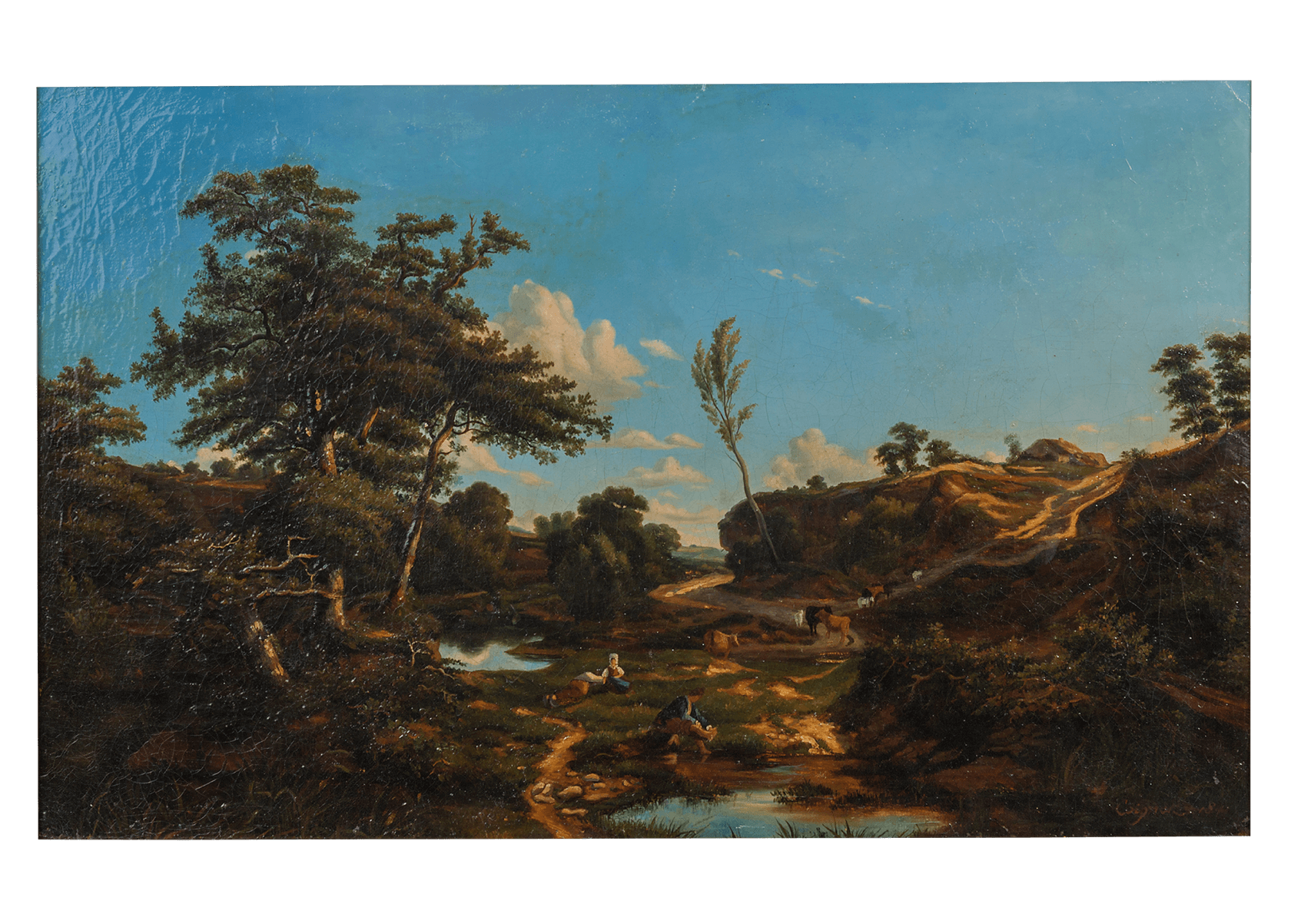
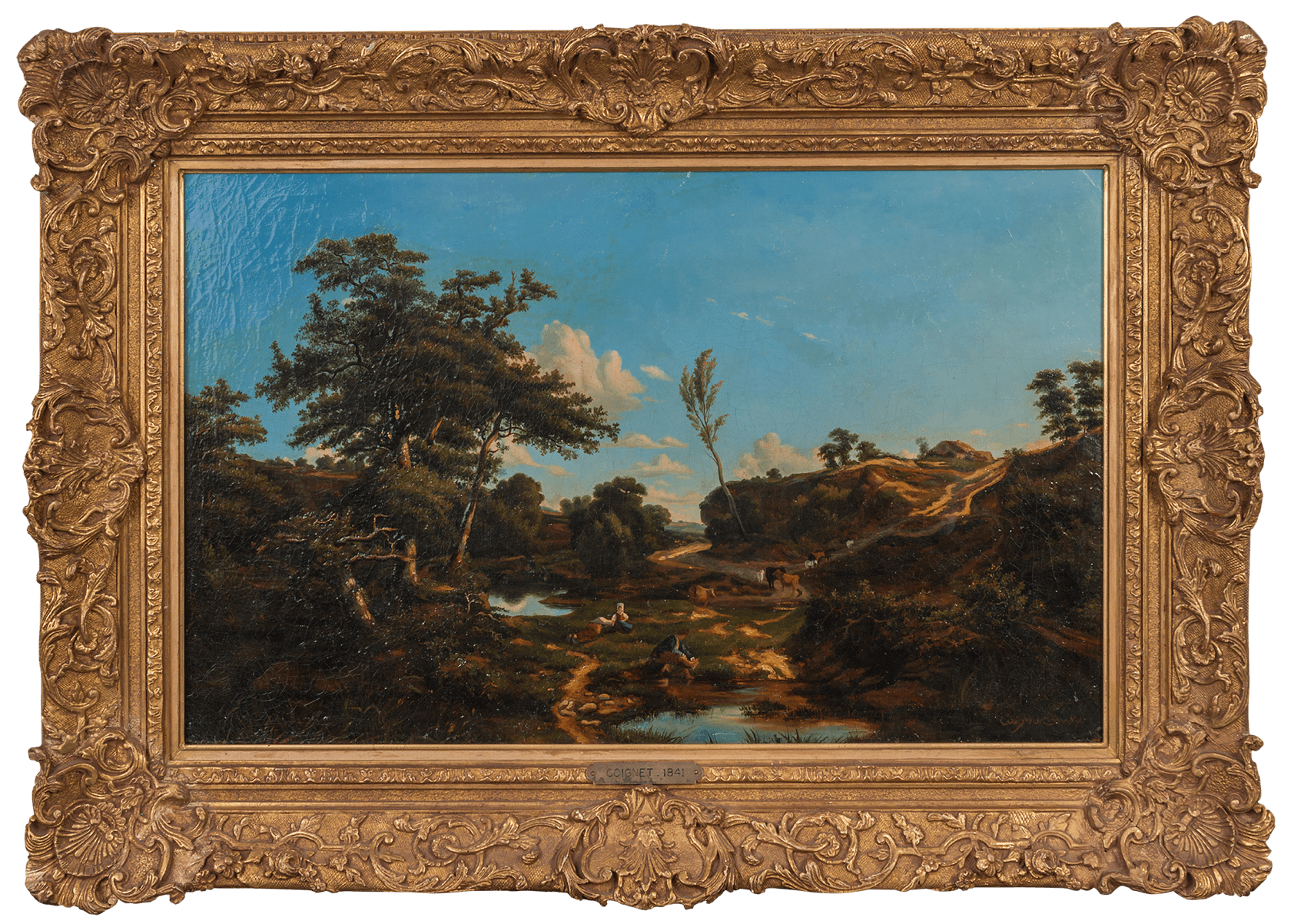
Jules Louis Philippe Coignet - famous French artist of the 19th century
Jules Louis Philippe Coignet was born in Paris in 1798 and died there in 1860. He was a noted landscape painter who had studied under Jean-Victor Bertin. He travelled a good deal in his own country as well as elsewhere in Europe and the East, and produced a considerable number of paintings. A regular exhibitor at the Paris Salon exhibitions, he was awarded a gold medal there in 1824 and was given state recognition by being made a Chevalier of the Legion of Honour in 1836.
As a painter, Coignet in somewhere in between the Idealists and the Realists, and his work is remarkable for the combination of vigor and delicacy in the effects of light and shade, for poetical feeling, for a firm brush, and occasionally for grandeur of conception. This is particularly evident in "The Ruins of the Temple of Paestum", now in Munich's Neue Pinakothek. There are times too when his paintings have an atmospheric, almost Impressionist effect. One example is the coastal sunset in the Louvre; another is the pastel "Grey weather over the sea" (1848) in the Dijon museum.
Following the 1824 exhibition in Paris of John Constable's paintings, Coignet began painting outside in the forest of Fontainbleau and encouraged his students to do the same. One of his specialities was painting tree 'portraits', of which there are many examples, both as finished paintings and as sketches in oil paint. Two notable examples are the ancient oak, with a dolmen and meditating monk in the background, in the Quimper museum and the dramatic "Oak tree and reeds" in the Musée Jean de La Fontaine at Château-Thierry. As a pioneer of open air painting (la peinture en plein air), Coignet has been counted a member of the Barbizon school, the artists associated with the village of Barbizon, where he had painted long before they settled there. In fact one of the minor members of this school, the genre painter Ferdinand Chaigneau [fr], was a pupil of Coignet's.
In addition to producing many water-colours, pastels and etchings, he wrote a book on landscape painting and published in 1825 a series of sixty Italian views. Among his other pupils were Léo Drouyn [fr], the Belgian landscapist Auguste Böhm [fr] and the orientalist Charles-Théodore Frère.
Jules Coignet's painting in domestic collections is a rarity, which gives the picture a uniqueness and value.
Jules Louis Philippe Coignet was born in Paris in 1798 and died there in 1860. He was a noted landscape painter who had studied under Jean-Victor Bertin. He travelled a good deal in his own country as well as elsewhere in Europe and the East, and produced a considerable number of paintings. A regular exhibitor at the Paris Salon exhibitions, he was awarded a gold medal there in 1824 and was given state recognition by being made a Chevalier of the Legion of Honour in 1836.
As a painter, Coignet in somewhere in between the Idealists and the Realists, and his work is remarkable for the combination of vigor and delicacy in the effects of light and shade, for poetical feeling, for a firm brush, and occasionally for grandeur of conception. This is particularly evident in "The Ruins of the Temple of Paestum", now in Munich's Neue Pinakothek. There are times too when his paintings have an atmospheric, almost Impressionist effect. One example is the coastal sunset in the Louvre; another is the pastel "Grey weather over the sea" (1848) in the Dijon museum.
Following the 1824 exhibition in Paris of John Constable's paintings, Coignet began painting outside in the forest of Fontainbleau and encouraged his students to do the same. One of his specialities was painting tree 'portraits', of which there are many examples, both as finished paintings and as sketches in oil paint. Two notable examples are the ancient oak, with a dolmen and meditating monk in the background, in the Quimper museum and the dramatic "Oak tree and reeds" in the Musée Jean de La Fontaine at Château-Thierry. As a pioneer of open air painting (la peinture en plein air), Coignet has been counted a member of the Barbizon school, the artists associated with the village of Barbizon, where he had painted long before they settled there. In fact one of the minor members of this school, the genre painter Ferdinand Chaigneau [fr], was a pupil of Coignet's.
In addition to producing many water-colours, pastels and etchings, he wrote a book on landscape painting and published in 1825 a series of sixty Italian views. Among his other pupils were Léo Drouyn [fr], the Belgian landscapist Auguste Böhm [fr] and the orientalist Charles-Théodore Frère.
Jules Coignet's painting in domestic collections is a rarity, which gives the picture a uniqueness and value.
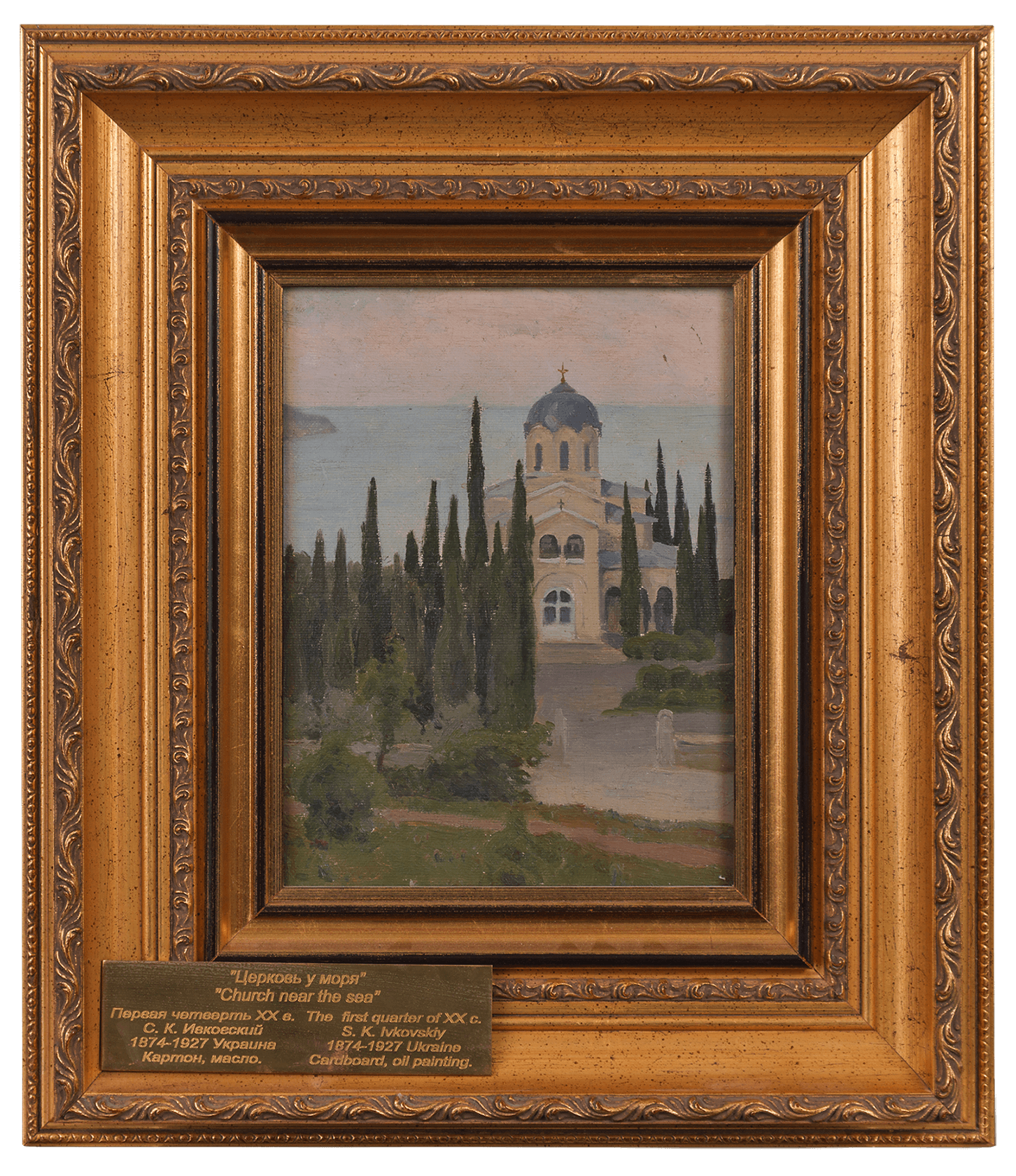
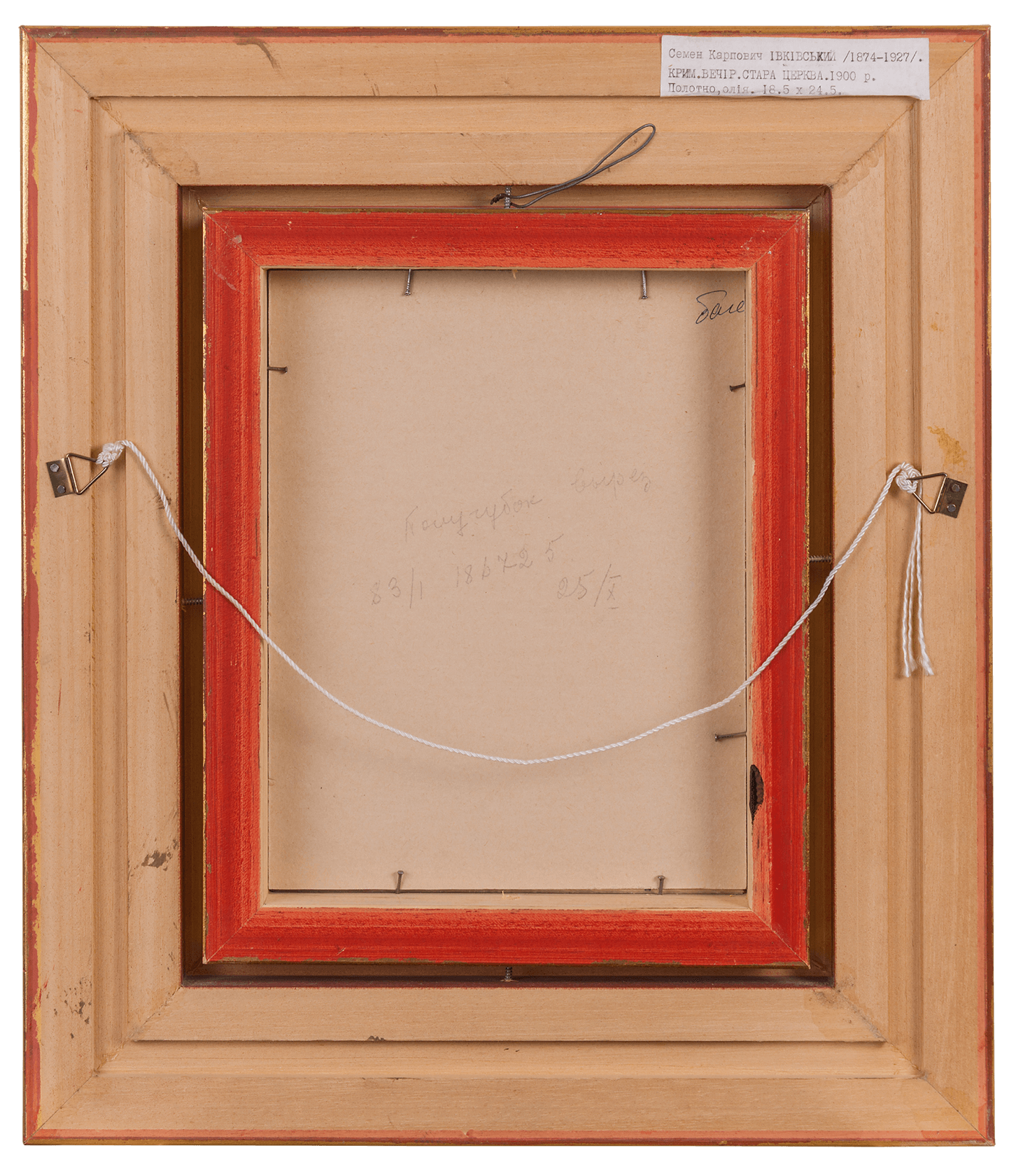
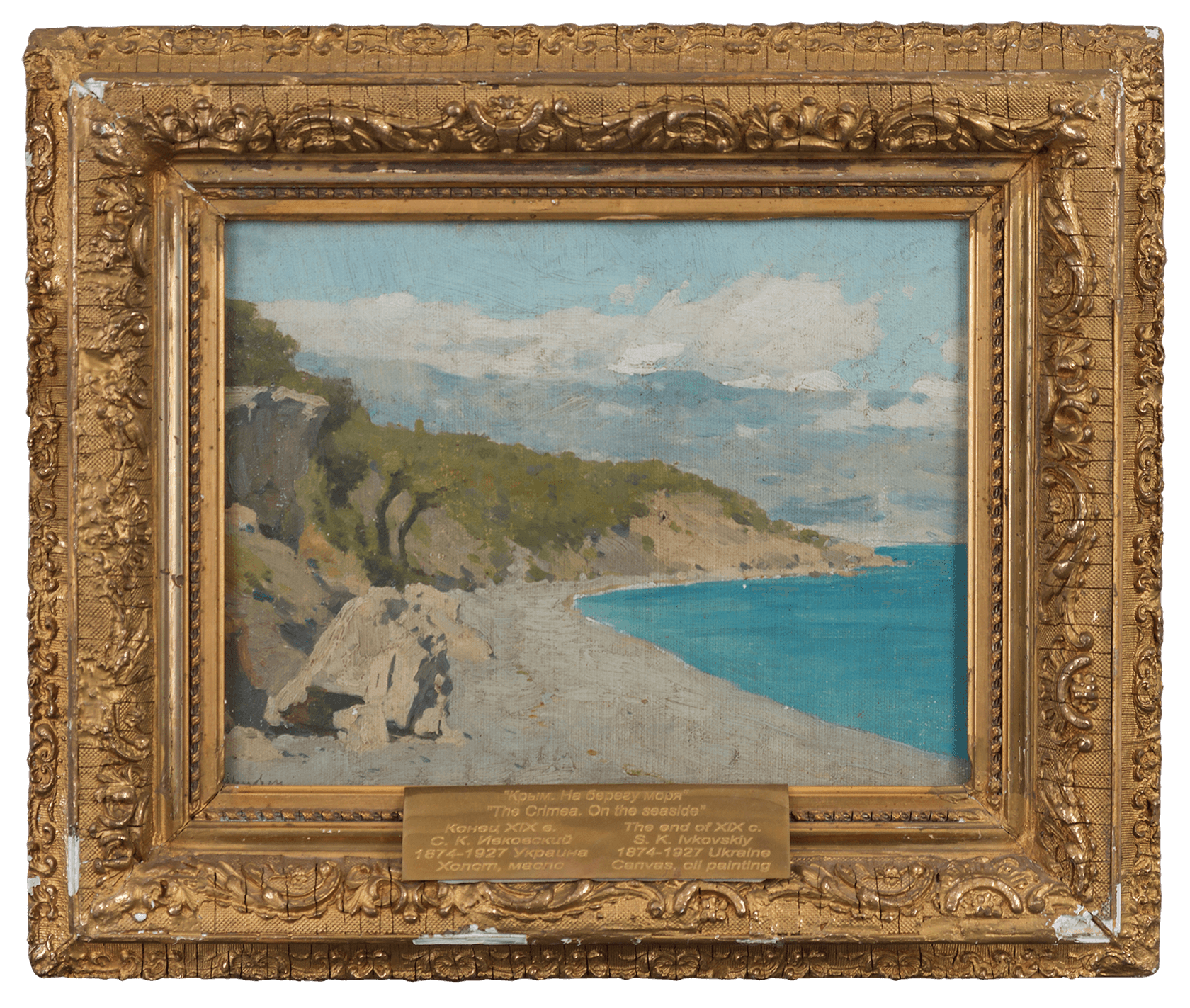
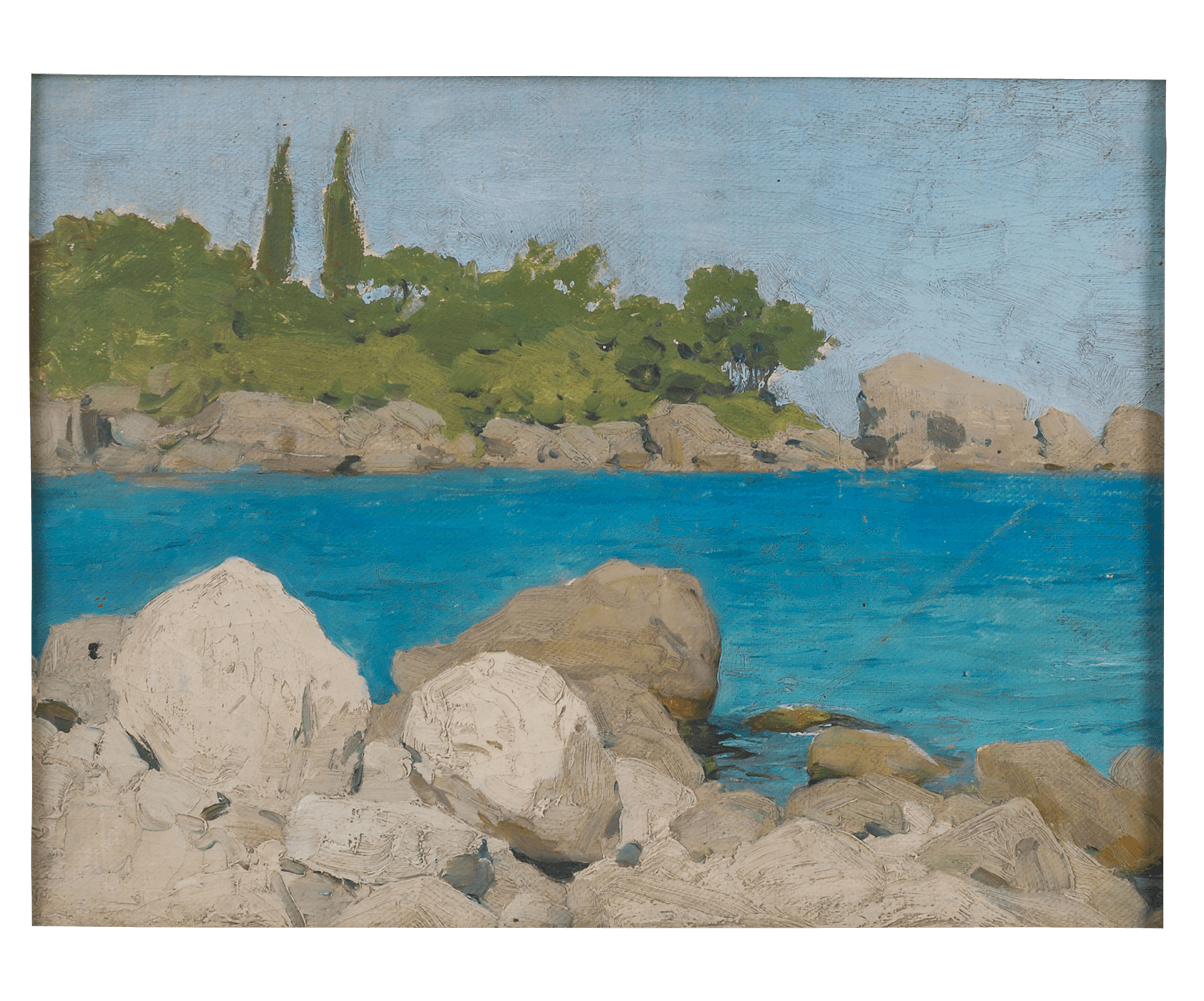
Ivkovsky Semyon Karpovich
April 17 (29), 1874 - April, 1927
Painter, graphic artist
April 17 (29), 1874 - April, 1927
Painter, graphic artist
He studied at MSPSA (1894-1901); in 1900 he was awarded a small silver medal for an etude. Continued education at the Higher Artistic and Artistic Decoration, Sculpture and Architecture under the IAA (1902–1913), first in the painting department of V.E. Makovsky, then rom 1907 - in the mosaic department. In 1907, the painting "In the Reception" was awarded the title of an artist, in 1913 - a junior mosaic artist.
He lived in St. Petersburg - Petrograd and then in Kiev since 1919.
He painted landscapes, portraits, genre paintings. Author of paintings: "Dnieper", "Watermelon", "In the vicinity of Kiev", "Mill", "Before the storm", "Girlfriends", "Corner of Moscow", "With the patient", "Mother", "In the waiting room", "Dusk. Little Russia "," Near Kiev", "On the bank of the Dnieper "," Vydubetsky Monastery ","Around Nightfall" and others.
Since 1895 - participant of exhibitions (students, MSPSA). He was exhibited at exhibitions of the Moscow Society of Art Lovers (1901, 1903, 1904, 105), Spring exhibitions in the halls of the IAA (1905, 1909, 1916, 1917), and the Community of Artists (1917).
Creativity is represented in a number of regional museum collections, in particular in the Pskov State Historical, Architectural and Art Museum-Reserve.
He lived in St. Petersburg - Petrograd and then in Kiev since 1919.
He painted landscapes, portraits, genre paintings. Author of paintings: "Dnieper", "Watermelon", "In the vicinity of Kiev", "Mill", "Before the storm", "Girlfriends", "Corner of Moscow", "With the patient", "Mother", "In the waiting room", "Dusk. Little Russia "," Near Kiev", "On the bank of the Dnieper "," Vydubetsky Monastery ","Around Nightfall" and others.
Since 1895 - participant of exhibitions (students, MSPSA). He was exhibited at exhibitions of the Moscow Society of Art Lovers (1901, 1903, 1904, 105), Spring exhibitions in the halls of the IAA (1905, 1909, 1916, 1917), and the Community of Artists (1917).
Creativity is represented in a number of regional museum collections, in particular in the Pskov State Historical, Architectural and Art Museum-Reserve.
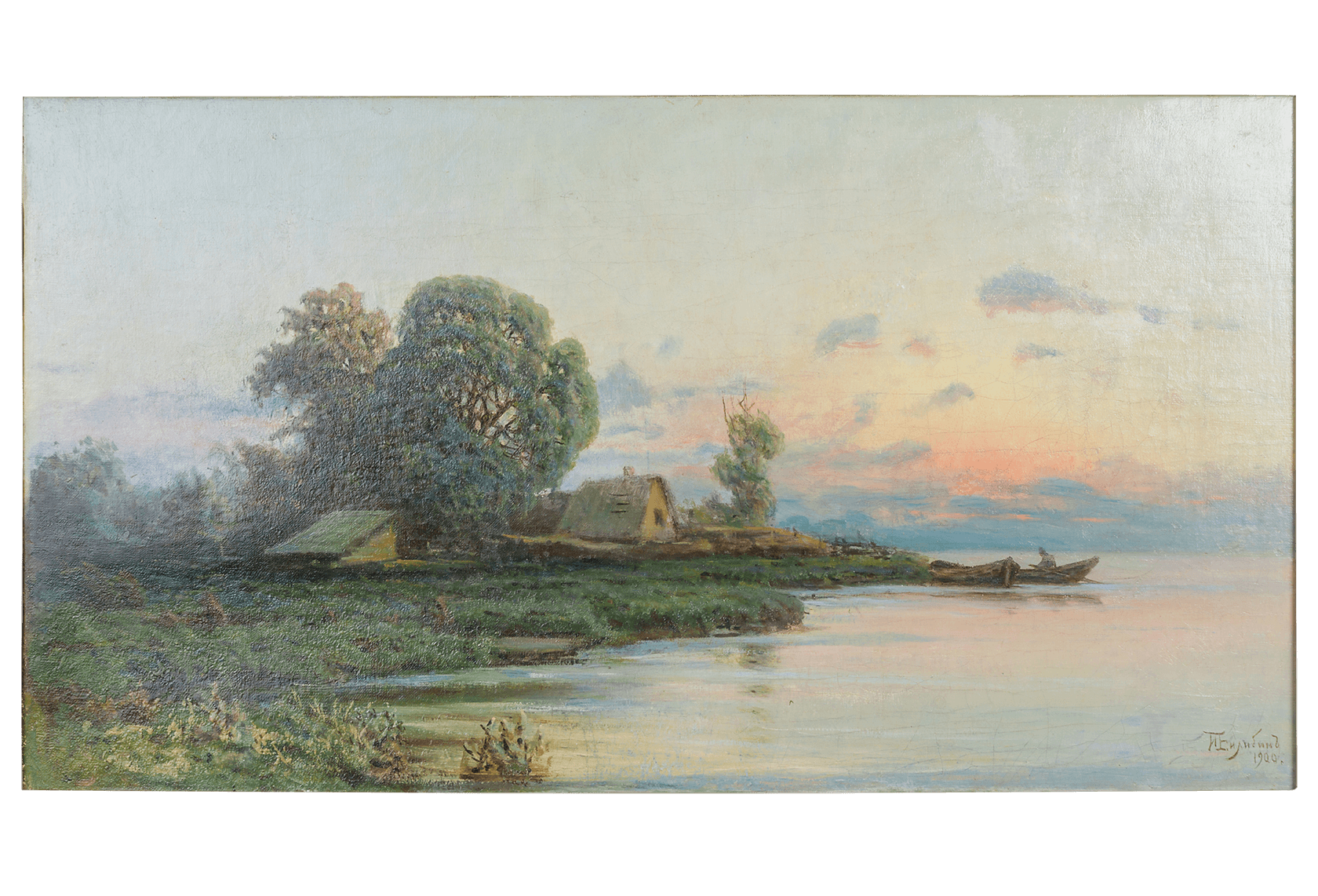
Ivan Ivanovich Bilibin
(1881 - N/A)
Russian artist. Landscape painter
(1881 - N/A)
Russian artist. Landscape painter
Leningrad artist Ivan Ivanovich Bilibin
Born in 1881?
Studied with A. I. Meshekhersky, St. Petersburg.
Participated in exhibitions: "St. Petersburg Society of Artists"; "Association of Independent".
He specialized in landscapes.
Lived and worked in St. Petersburg until at least 1916.
Source: http://socrealizm.com.ua
Born in 1881?
Studied with A. I. Meshekhersky, St. Petersburg.
Participated in exhibitions: "St. Petersburg Society of Artists"; "Association of Independent".
He specialized in landscapes.
Lived and worked in St. Petersburg until at least 1916.
Source: http://socrealizm.com.ua
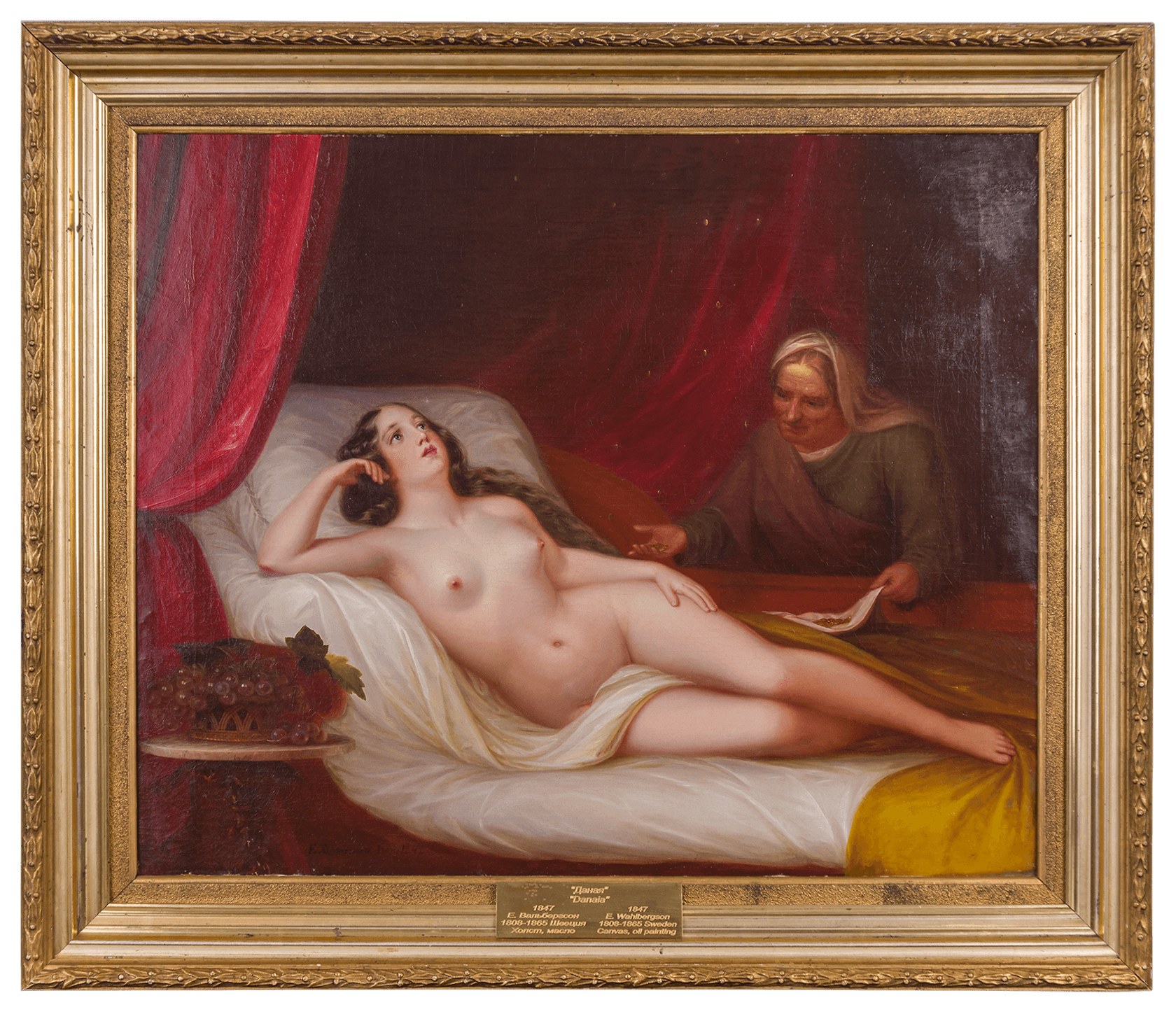
Erik Wahlbergson
(March 5, 1808 - October 18, 1865)
Swedish artist of the ХIХ century
(March 5, 1808 - October 18, 1865)
Swedish artist of the ХIХ century
Master of historical paintings and portraiture.
He studied at the Stockholm Academy with Frederick Vesnin (1782-1862), then at the Dusseldorf Academy where in 1835 he painted the icon "Mary with the Baby, Shepherds and Angels" for Kristinberg (Stockholm), the former church at the Masonic shelter.
After moving to Ladugarslandet in 1841 he painted the portrait of the pastor. Pictures: "King Oscar I" (belongs to the Order of Timmermann, Stockholm); "The Beautiful Dalecarlerina Sells Milk at the Stortorget" (Stockholm City Museum); The Great Winterbild, 1848 (owned by Dr. Henrik Alm, Rosenwick, Stockholm); "Pastor Per Lindsten", 1862 (owned by Hedv. El. Church, Stockholm); "Pastor M. Chr. Bergvall ", 1864; several paintings (mainly copies) are in Drottningholm Castle and the Stockholm City Hall.
He studied at the Stockholm Academy with Frederick Vesnin (1782-1862), then at the Dusseldorf Academy where in 1835 he painted the icon "Mary with the Baby, Shepherds and Angels" for Kristinberg (Stockholm), the former church at the Masonic shelter.
After moving to Ladugarslandet in 1841 he painted the portrait of the pastor. Pictures: "King Oscar I" (belongs to the Order of Timmermann, Stockholm); "The Beautiful Dalecarlerina Sells Milk at the Stortorget" (Stockholm City Museum); The Great Winterbild, 1848 (owned by Dr. Henrik Alm, Rosenwick, Stockholm); "Pastor Per Lindsten", 1862 (owned by Hedv. El. Church, Stockholm); "Pastor M. Chr. Bergvall ", 1864; several paintings (mainly copies) are in Drottningholm Castle and the Stockholm City Hall.
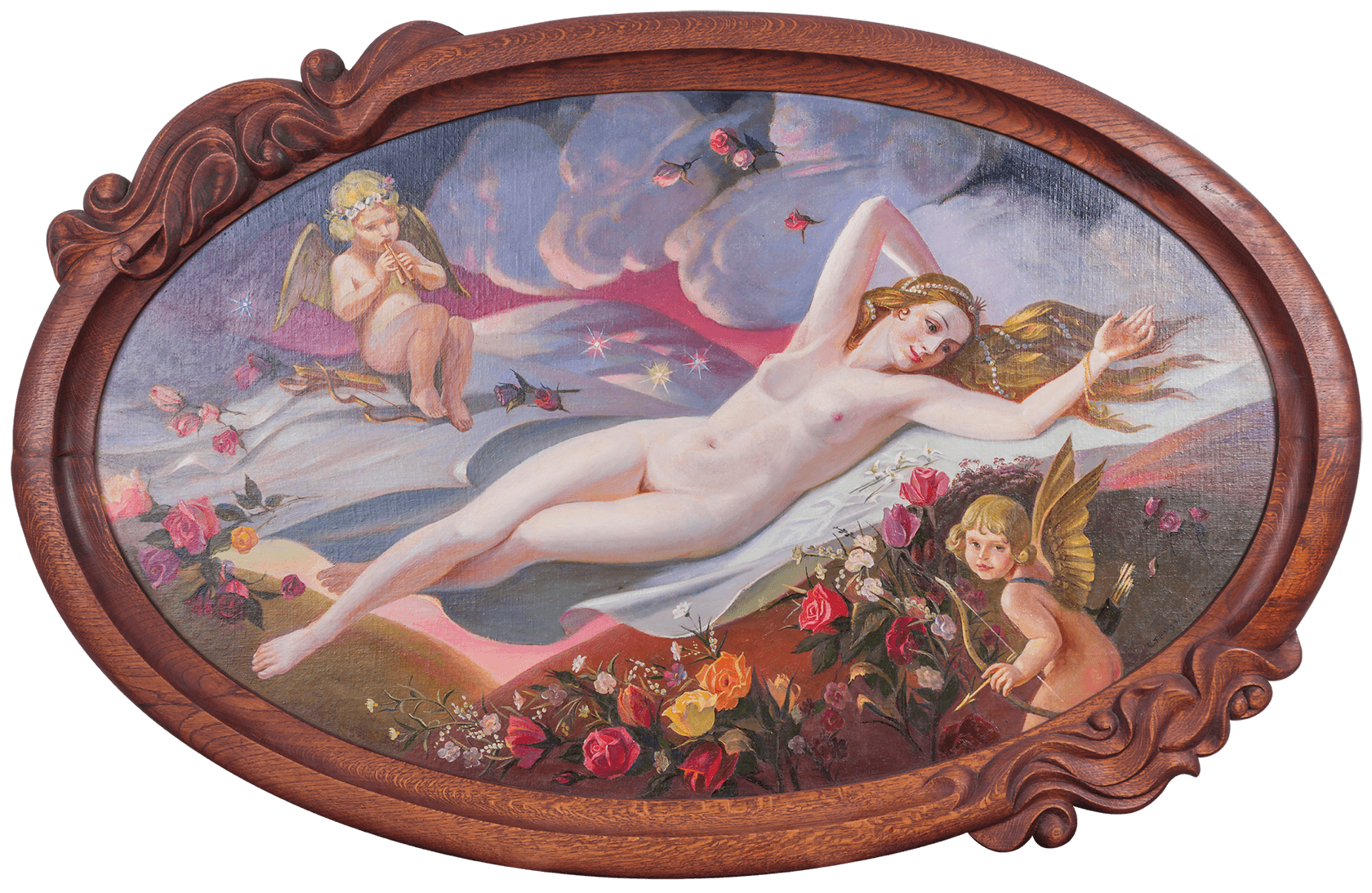
Leonila Petrovna Steblovskaya
(February 15, 1935)
Ukrainian artist
(February 15, 1935)
Ukrainian artist
Graduated from Kiev State Art Institute (1962). Her teachers were V. Kostetskiy, M. Khmelko and G. Melikhov.
Works in the field of painting, monumental and decorative art.
Major works: "The arrest of T. Shevchenko in Kiev" (1962), "Dinner" (1967), "A garden is blooming" (1974), "Waiting" (1982), "Nativity of Christ" in St. Michael's Golden-Domed Cathedral (co-author).
Member of the National Union of Artists of Ukraine (1970).
Works in the field of painting, monumental and decorative art.
Major works: "The arrest of T. Shevchenko in Kiev" (1962), "Dinner" (1967), "A garden is blooming" (1974), "Waiting" (1982), "Nativity of Christ" in St. Michael's Golden-Domed Cathedral (co-author).
Member of the National Union of Artists of Ukraine (1970).
Sign up for our newsletter! No spam, only useful information.
By clicking on the button, you consent to the processing of personal data and agree to the privacy policy
OUR CONTACTS
If you have any questions contact us by email or phone.
Start using for free
Sense Paintings is available for free on the App Store and Google Play.
Connect with the high art and become the owner of the exclusive works of famous artists today!
Connect with the high art and become the owner of the exclusive works of famous artists today!

© 2023 SENSE PAINTINGS. CREATED BY YAROSLAV SAVCHENKO
Click to order
